

wall mirror with led lights
Understanding the Cylinder Bore Gauge An Essential Tool for Precision Engine Measurement In the world of engine mechanics, precision and accuracy are paramount. Whether you’re a professional mechanic or a dedicated hobbyist, having the right tools at your disposal can significantly influence the quality of your work. Among these tools, the cylinder bore gauge stands out as a critical instrument for measuring the internal diameter of engine cylinders. Understanding how to use this tool effectively can lead to improved performance and longevity of engines. What is a Cylinder Bore Gauge? A cylinder bore gauge is a specialized tool designed for measuring the bore size of cylinder engines. The bore refers to the internal diameter of the engine cylinder, which directly impacts the engine's displacement, power, and efficiency. A proper measurement of the bore size is essential when performing tasks such as cylinder reconditioning, honing, or when assessing engine wear over time. Typically, a cylinder bore gauge consists of a depth gauge and a set of interchangeable probes that can be adjusted to accommodate different cylinder sizes. The most advanced models may also include dial indicators to provide precise readings. Importance of Accuracy in Measurements Accurate measurements of the cylinder bore are crucial for several reasons. Over time, engine cylinders may become worn due to friction and thermal cycling. This wear can lead to increased clearances, which in turn can create a loss of compression, reduced efficiency, and increased oil consumption. Thus, employing a cylinder bore gauge to assess the condition of the cylinders allows mechanics to determine whether they need to be honed or replaced. Additionally, when rebuilding an engine, achieving the correct bore measurements is vital for fitting piston rings and ensuring they create the necessary seal for optimal performance. An incorrect bore size can lead to severe engine problems, including poor combustion and increased emissions. How to Use a Cylinder Bore Gauge Using a cylinder bore gauge requires a systematic approach cylinder bore gauge 1. Preparation Before taking measurements, ensure that the engine is clean and free of debris. Remove any cosset rings and carbon deposits from the cylinder walls. 2. Selecting the right probe Depending on the cylinder size, choose an appropriate probe. The probe should be slightly larger than the maximum expected bore size. 3. Inserting the gauge Insert the cylinder bore gauge into the cylinder. Expand the probe until it makes contact with the cylinder walls. It’s important to do this carefully to avoid scratching the surface. 4. Taking the measurement Once the gauge is properly positioned, you will need to read the dial indicator. Make sure to take measurements at various heights within the cylinder, as wear can be uneven. 5. Recording and analyzing data Gather all measurements and analyze them to determine whether the cylinder is within acceptable limits or if machining procedures are necessary. Maintenance and Calibration To ensure long-lasting accuracy, it is essential to maintain and calibrate your cylinder bore gauge regularly. Dirt and oil residues can affect the gauge’s functionality. Proper cleaning and storage will prolong its life and reliability. Conclusion The cylinder bore gauge is an indispensable tool for anyone involved in engine building or maintenance. By providing essential measurements of cylinder diameter, it enables mechanics to make informed decisions about maintenance and rebuilds. Mastering the use of this gauge not only enhances the quality of engine repairs but also contributes to the overall performance and durability of the engine. Therefore, investing time to understand and appropriately implement this tool is well worth the effort for both amateurs and professionals in the automotive field.
about
wall mirror with led lights
Understanding Backflow Preventers and Check Valves In the world of plumbing and fluid dynamics, ensuring the safe and efficient flow of water is essential. Two crucial components that play a significant role in maintaining this integrity are backflow preventers and check valves. While these devices may appear similar, their functionalities are distinct and critical for various applications. What is a Backflow Preventer? A backflow preventer is a specialized device designed to stop the backward flow of contaminated water into the clean water supply. This device is most commonly used in commercial and industrial settings where the risk of contamination is high. Backflow can occur due to changes in water pressure, which may allow water from dirty sources (like irrigation systems or sewage lines) to siphon back into potable water supplies. Backflow preventers are typically installed at critical points in a plumbing system, such as at the entrance of a building or at specific fixtures that pose contamination risks. They often come in different configurations, including reduced pressure zone (RPZ) assemblies, double check valves, and atmospheric vacuum breakers. Each type serves a unique purpose, with some allowing for maintenance while others offer higher protection levels. The Importance of Backflow Prevention The importance of backflow preventers cannot be overstated. Without these devices, contaminants from non-potable sources could easily infiltrate the drinking water supply. The consequences can be dire, leading to public health crises, violations of health codes, and costly litigation. In fact, many jurisdictions have laws mandating the installation of backflow preventers in certain situations, particularly in commercial operations and areas with high contamination risks. What is a Check Valve? backflow preventer check valve A check valve, often referred to as a one-way valve, is a device that allows fluid to flow in one direction only, preventing backflow within a piping system. These valves are used in various applications, from residential plumbing systems to industrial processes. The design of a check valve is simple, typically consisting of a disk or ball that moves in response to fluid flow, sealing off the reverse flow. The primary function of a check valve is to maintain system pressure and prevent the backflow of fluids, which can lead to system inefficiencies or even damage. They are commonly used in water supply systems, sewage applications, and even in air and gas systems to ensure that the flow direction remains constant. Differences in Functionality While both backflow preventers and check valves serve to stop backflow, their applications and measures of effectiveness differ. Backflow preventers are specifically designed for preventing contamination and are often more complex, featuring multiple components to provide higher levels of protection. Check valves are primarily used for maintaining fluid movement in one direction and may not always offer a complete barrier against contaminants. Choosing the Right Device When it comes to selecting the appropriate device for your system, understanding the specific requirements and risks involved is crucial. For instance, if your application involves potable water and potential contamination from external sources, a backflow preventer is essential. Conversely, if your focus is on maintaining consistent fluid flow without leakage, a check valve may suit your needs better. Conclusion In summary, both backflow preventers and check valves are vital components in the realm of plumbing and fluid management. They ensure the integrity of water systems and protect public health by preventing the unwanted backflow of fluids. By understanding their differences and applications, you can make informed decisions that contribute to a safer, more efficient plumbing system. Whether in residential settings or industrial operations, these devices play a crucial role in safeguarding our water supplies and maintaining operational efficiency.
-

High quality industrial productsagement

High quality industrial products
View Details -

Meet the diverse needs of customers

Meet the diverse needs of customers
View Details -

Strict quality control

Strict quality control
View Details -

Top raw materials

Top raw materials
View Details -

Trusted supplier

Trusted supplier
View Details
Our application



news and information

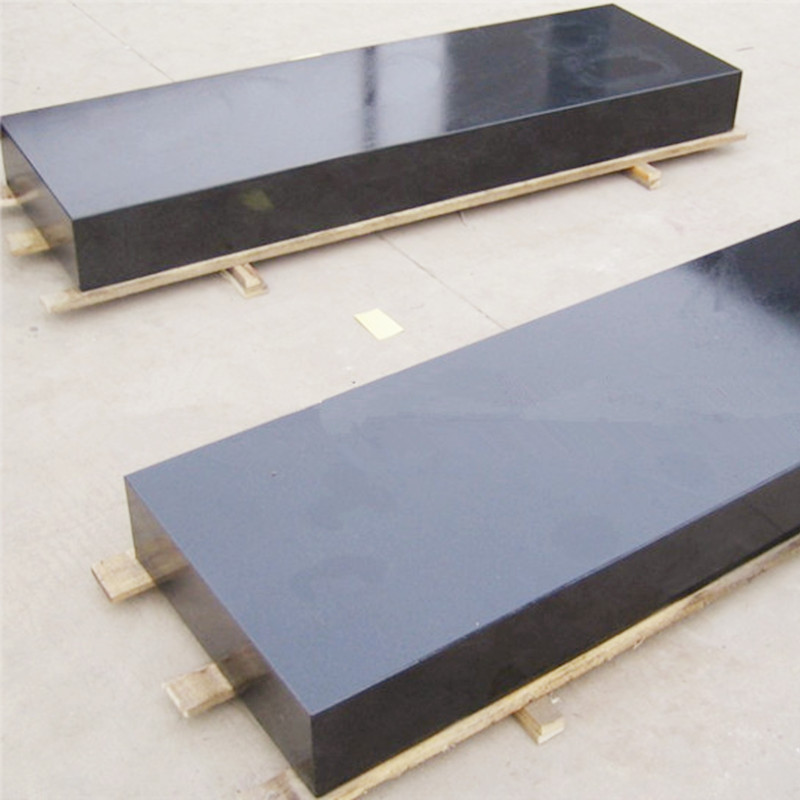
V Blocks Available for Purchase at Competitive Prices
Exploring V Blocks for Sale A Comprehensive Guide In the ever-evolving landscape of technology and
Ustawiony wskaźnik
Zestaw wskaźników pinowych – niezastąpione narzędzie w precyzyjnym pomiarze W dzisiejszym świecie, g

Versatile 90 Degree Angle Tool for Precision Measurements and Layouts
The 90-degree angle ruler, also known as a right angle ruler, is an essential tool in various fields
 English